Sudden Hearing Loss?
Act Fast — This Is an Emergency!
The sooner you get help, the better your chances of getting your hearing back.
Emergency warning: If you suddenly lose hearing in one or both ears (over seconds to hours) – especially with vertigo, severe dizziness, trouble walking, facial weakness, or severe headache – See ENT or go to the nearest qualified emergency department immediately. Unfortunately, not all urgent care centers or emergency rooms know exactly what to do for sudden hearing loss. Ask about Steroids and show them this page. And if after a dive or rapid decompression, also contact your dive safety network or hyperbaric center right away. Treatment is like doing CPR on your hearing. Do not delay!!
Common Causes
Many cases of Sudden onset Sensorineural Hearing Loss (SSNHL) are “idiopathic,” meaning no clear cause is found even after testing. But some important causes include:
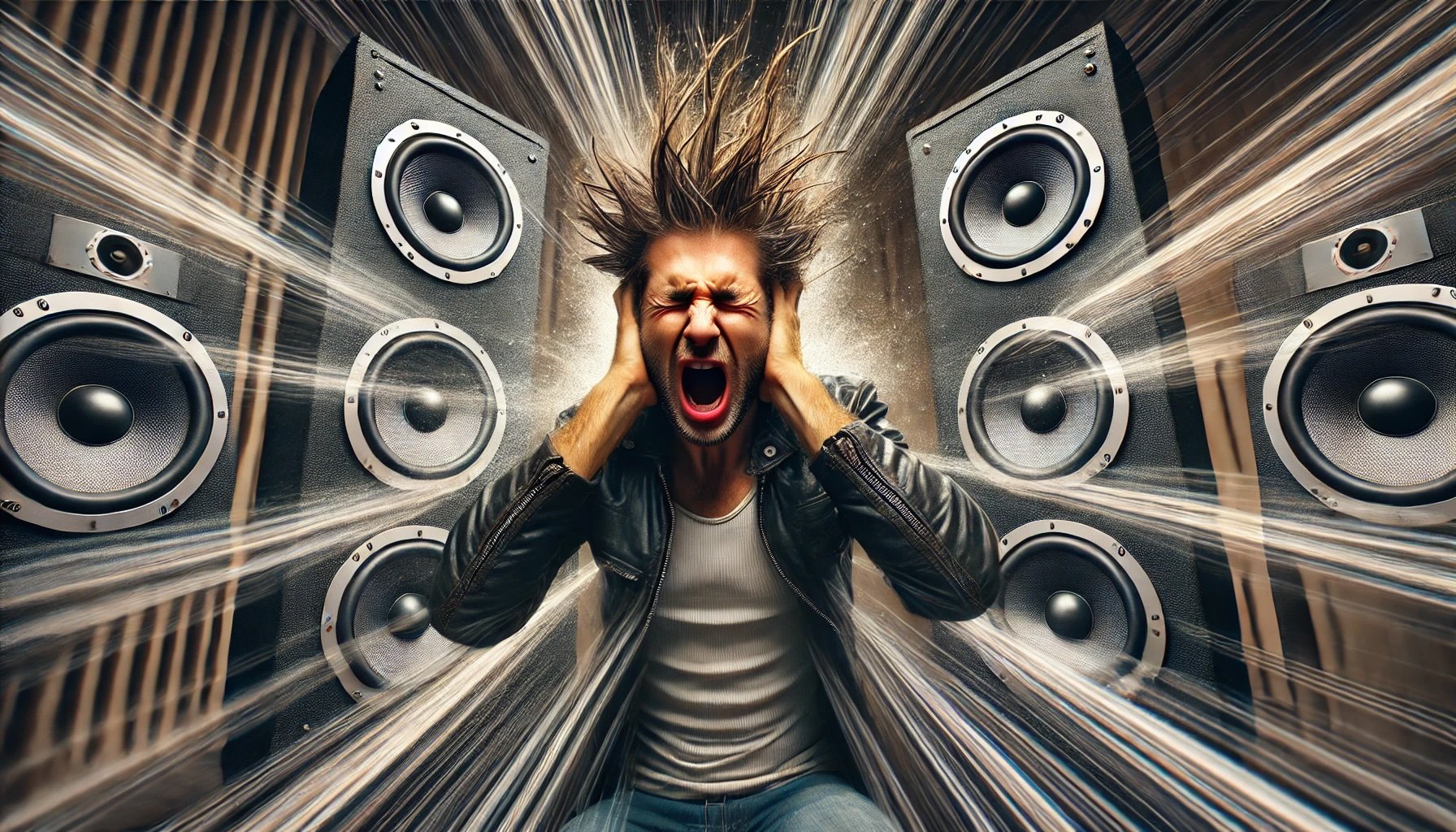
Acoustic trauma (very loud noise)
Head trauma
Viral or inflammatory injury to the inner ear
Vascular problems that briefly reduce blood flow to the cochlea
Autoimmune inner ear disease
Tumors on the hearing nerve (e.g., vestibular schwannoma)
Pressure-related injuries such as barotrauma or decompression sickness (DCS) in divers or after rapid decompression
Treatment Options
1. Steroid Therapy Immediate Treatment (Start ideally within 24 hours, if not within 14 days)
High-dose corticosteroids (by mouth, by shot, by IV or injected through the eardrum into the middle ear) are a mainstay of treatment for idiopathic SSNHL and are often used for pressure-related inner ear injuries as well.
Oral Prednisone / Prednisolone (most common)
Dose: 1 mg/kg/day
Typical adult dose: 60 mg daily
Note that older adults may need a lighter dose (Medrol Dose Pak)
Duration: 6–14 days
Common example regimen: 60 mg PO daily × 7 days, Then taper: 40 → 30 → 20 → 10 mg (each 1 day)
Steroids aim to: Reduce inflammation and swelling in the inner ear, Stabilize cell membranes, and improve blood flow and oxygen delivery
The 2019 American Academy of Otolaryngology guideline emphasizes starting steroid therapy within 2 weeks of symptom onset for best results, with intratympanic injections used either as primary or “salvage” therapy if oral steroids fail or cannot be taken.
Intratympanic Steroid Injection (IT Steroids)
Dexamethasone 10 mg/mL or 24 mg/mL
Use if:
Cannot take oral steroids
No improvement after 48–72 hours
Severe/profound hearing loss at onset
Salvage therapy up to 4–6 weeks
2. Hyperbaric Oxygen Therapy (HBO or HBOT)
Hyperbaric oxygen therapy (HBO or HBOT) involves breathing 100% oxygen in a pressurized chamber which brings a higher concentration of Oxygen to the damaged inner ear. For sudden hearing loss, it is used in two main settings:
Adjunct therapy for idiopathic SSNHL
Updated AAO–HNS guidelines allow HBO as an option in combination with steroids, either as initial therapy within 2 weeks or as salvage within 1 month of onset.
Inner ear decompression sickness / DCS
Recompression with HBO is the primary treatment for DCS and inner ear DCS.
Increased pressure shrinks gas bubbles and returns them to solution.
High oxygen levels improve blood flow and oxygen delivery to injured inner ear tissues.
While generally safe, HBO can have side effects such as ear or sinus barotrauma, temporary nearsightedness, lung issues, or oxygen toxicity, so it must be supervised by physicians experienced in hyperbaric medicine. Most commonly used protocols:
Pressure: 2.0–2.8 ATA (Atmospheres)
Duration: 60–90 minutes per session
Frequency: Once daily
Total sessions: 10–20 treatments (sometimes up to 30 in partial responders)
What Is Sudden Hearing Loss?
“Sudden hearing loss” short for Sudden onset Sensorineural Hearing Loss (SSNHL) – damage to the inner ear or hearing nerve that develops over minutes to up to 72 hours. It is commonly defined as a loss of at least 30 dB affecting three or more frequencies on a hearing test
Most people describe it as:
“My ear suddenly went dead”
“It feels like cotton or water in my ear, but nothing comes out”
Ringing (tinnitus), fullness, or distortion in one ear
What To Do If You Suddenly Lose Hearing
STEP 1 —Recognize the Emergency and Seek urgent medical care.
Get evaluated by an ENT (ear, nose, and throat) specialist as soon as possible. Tell your doctor about any diving, flying, trauma, or decompression events.
This helps differentiate idiopathic SSNHL, barotrauma, and inner ear DCS, which are treated differently.
Emergency department or urgent care if you cannot get in to see your ENT. It is particularly important if you have severe symptoms like vertigo, trouble walking, neurological signs, recent dive or rapid decompression).
Unfortunately, not all urgent care centers or emergency rooms know exactly what to do for sudden hearing loss. If that is the case, please refer them to this page. Let them know, RESPECTFULLY, that Steroids are the mainstay of therapy. Unless there is a contraindication (medical reason to not give steroids), a 60 mg Predisone taper over 6-14 days should be requested! For older or more sensitive adults, try a lighter Medrol Dose Pak.
STEP 2 — Rapid Hearing Assessment
Get a hearing test (audiogram) ASAP, best done by an Audiologist to Confirm the degree and type of hearing loss (sensorineural vs. conductive) and help guide treatment and track recovery over time.
If NO medical provider is available: SELF-ASSESSMENT OPTIONS
Tuning Fork Substitute (Self-Weber Test)
Hum a steady low-pitch note (e.g., “mmm”).
Does the sound feel louder in one ear?
Lateralizes (seems louder) to good ear → likely sensorineural loss in the bad ear
Lateralizes (seems louder) to bad ear → likely conductive loss (less of an emergency)
Use an iPhone Audiogram App
Download the EarAware Decibel Meter Audiogram app. and check daily progress. alternatively: Apps like Ear Scale, Mimi Hearing Test, Hearing Test Pro, or apps integrated into Apple Health can give a rough threshold measure.
Not diagnostic, but detects asymmetry and guides urgency.
Simple Functional Test
Rub fingers near each ear.
Whisper test from a family member at fixed distances to check asymmetry.
If findings suggest sensorineural loss → treat immediately; do not wait for audiology.
Confirms the degree and type of hearing loss (sensorineural vs. conductive).
Helps guide treatment and track recovery over time.
Act quickly. Best outcomes are seen when treatment starts within days, not weeks.
STEP 3 — Immediate Treatment (Start ideally within 24 hours, if not 14 days) even 3 mo.
Systemic Steroids (First-line for SSNHL) Prednisone 60 mg/day × 6–14 days. The earlier steroids are begun, the better the prognosis. If diabetic or contraindications exist → intratympanic steroids preferred.
Intratympanic Steroid Injection (IT Steroids)
Dexamethasone 10 mg/mL or 24 mg/mL
Use if:
Cannot take oral steroids
No improvement after a week of oral steroids
Severe/profound hearing loss at onset
Hyperbaric Oxygen Therapy (HBO) Indications per AAO-HNS:
Start within 2 weeks of onset
OR as salvage within 1 month
Take a Hearing Rest Break. Just as you wouldn’t rev an engine that is already overheated, you do not want to overstimulate your ear. Avoid worsening damage by limiting your sound exposure. Keeping sound levels below 85dB is a good rule of thumb for a NORMAL EAR. Keeping it under 78 dB is much safer for a damaged ear.
STEP 4 — Lifestyle, Risk Reduction, and Ear Recovery “Do’s and Don’ts”
A. Noise Avoidance (“Hearing Rest”) Take a Hearing Rest Break. Just as you wouldn’t rev an engine that is already overheated, you do not want to overstimulate your ear. After SSNHL, inner ear cells are vulnerable. Avoid worsening damage by limiting your sound exposure. Keeping sound levels below 85dB is a good rule of thumb for a NORMAL EAR. Keeping it under 78 dB is much safer for a damaged ear. No headphones, no loud venues, no power tools. Use double protection (earmuffs + plugs) if required to be in noise
B. Avoid Substances That Can Worsen Hearing. Medications & chemicals
Aspirin (high doses) – reversible ototoxicity
NSAIDs in high doses (ibuprofen, naproxen)
Loop diuretics (furosemide, bumetanide) in high doses or rapid IV push
Nicotine – vasoconstriction reduces cochlear blood flow
Excess caffeine (may reducs cochlear microcirculation)
C. Nutrition for an Ear-Healthy Diet: See below.
Nutrition for an Ear-Healthy Diet
-

Dietary Suggestions
Eat more of:
Leafy greens (spinach, kale, arugula → folate & magnesium)
Berries (antioxidants)
Citrus & vitamin-C rich fruits
Fish high in omega-3s (salmon, sardines, mackerel)
Nuts/seeds (magnesium, zinc)
Avocado & olive oil (healthy fats)
High-water foods (hydration improves cochlear perfusion)
Reduce:
Processed meats
High-sodium foods (affects inner ear fluid balance)
Excess sugars (inflammation)
-
Vitamins & Supplements Used in Sudden Hearing Loss
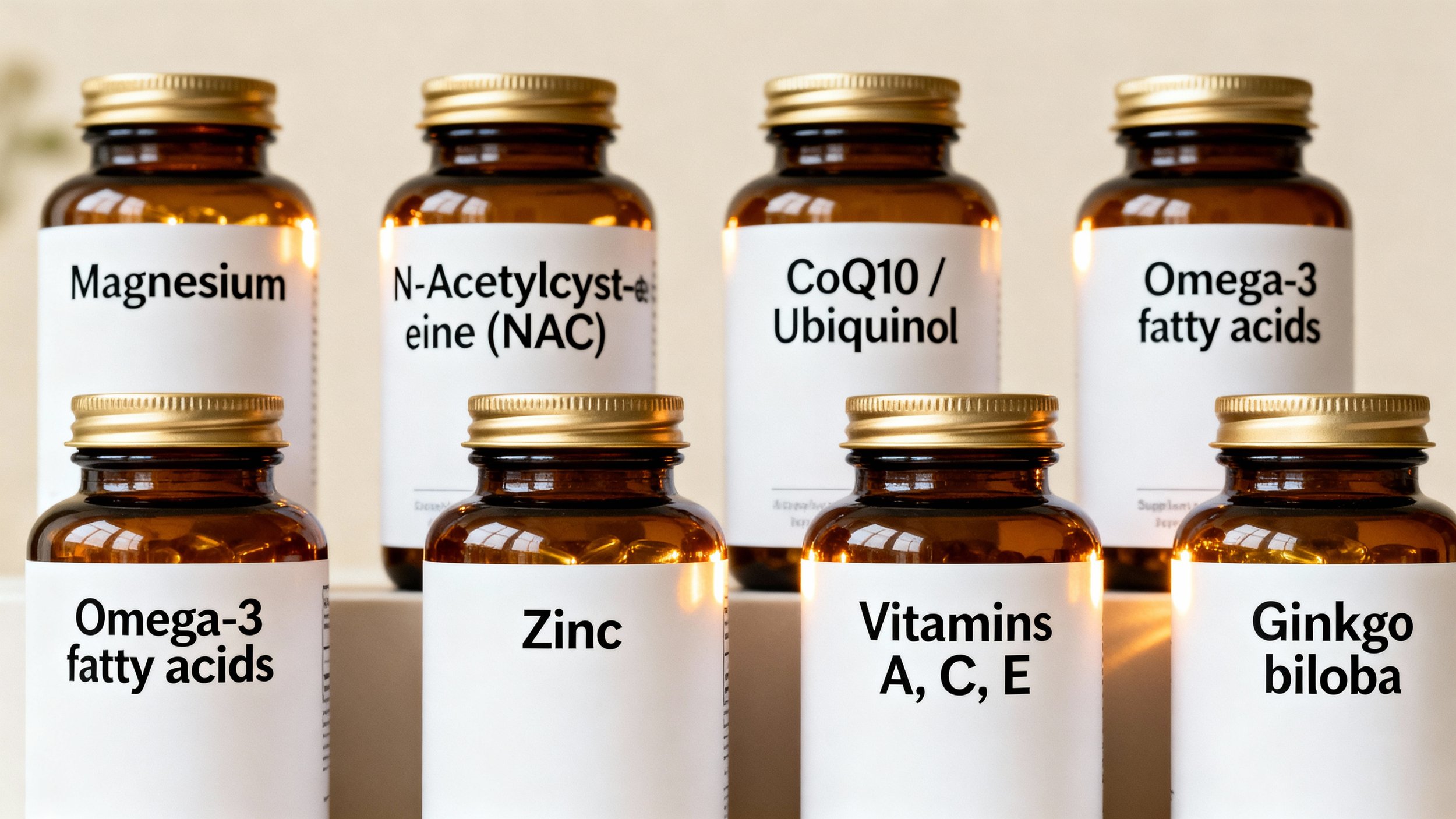
There is no single “cure,” but evidence supports several adjuncts:
1. Magnesium: Protects hair cells from excitotoxic injury, Helps stabilize cochlear ion transport. Commonly used dose: 200–400 mg/day
2. N-Acetylcysteine (NAC): Potent antioxidant. Common in NIHL prevention and post-trauma recovery. Dose: 600–1200 mg/day
3. CoQ10 / Ubiquinol: Supports mitochondrial energy in hair cells. 100–200 mg/day
4. Omega-3 fatty acids: Improve microvascular health. 1–2 g/day EPA + DHA
5. Zinc: Supports immune and antioxidant processes. 25–50 mg/day (short-term use)
6. Vitamins A, C, E: Often used in combination for oxidative-stress reduction.
7. Ginkgo biloba (mixed evidence): May improve cochlear blood flow. Only high-quality standardized extracts recommended
Supplements are adjuncts only. They do not replace steroids or HBO in true SSNHL.
Sample Case Studies
Although many cases are treated and solved with Oral Steroids alone, sometimes more treatment is needed.
-
An Oral Steroid Failure Case
Case 1 – Sudden Onset Idiopathic (Presumed Viral/Inflammatory) SSNHL
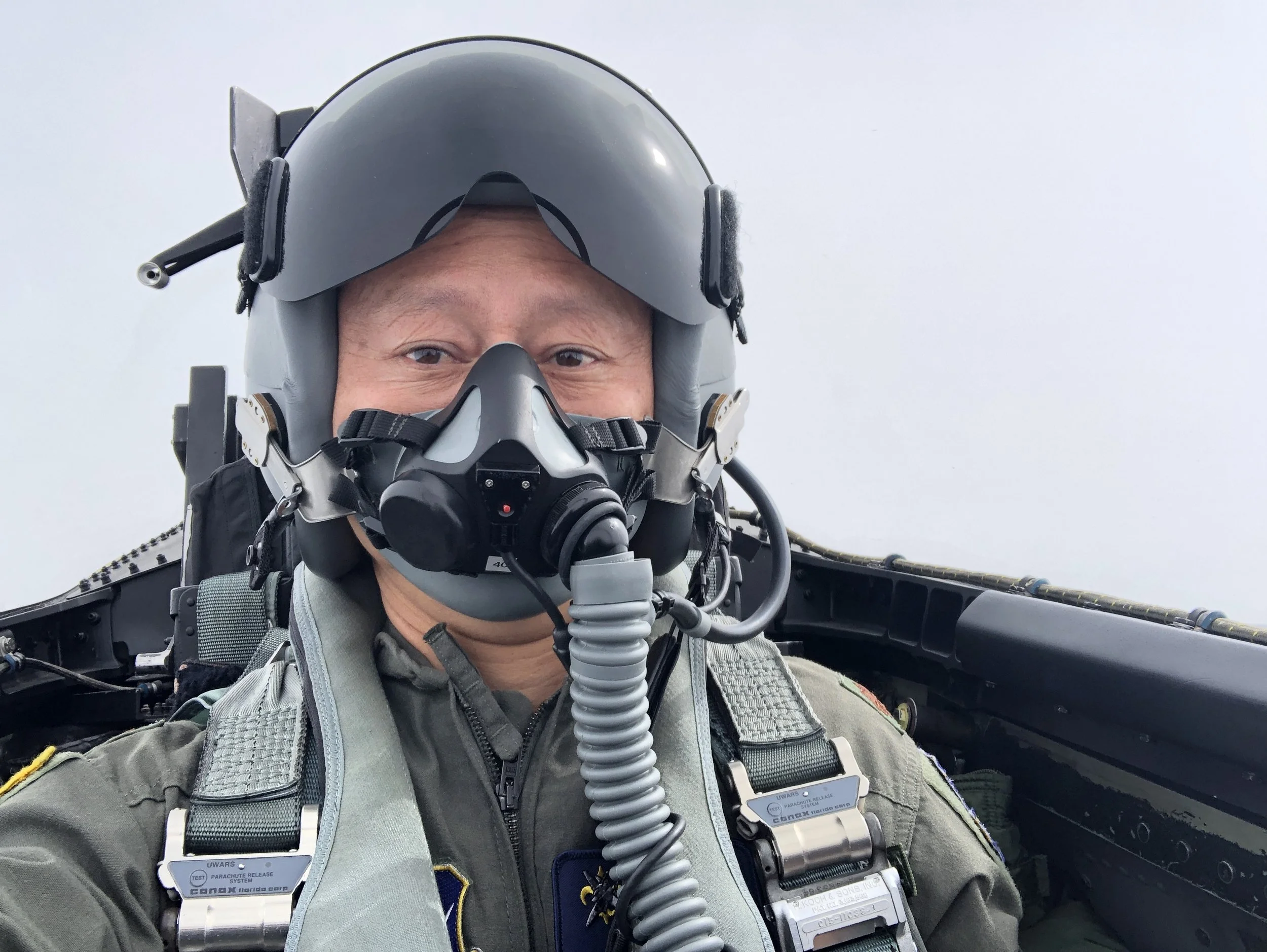
“JL,” a 46-year-old male pilot with no prior otologic history, went to bed feeling well and woke up with a sudden, marked decrease in hearing in his right ear. He also experienced light spinning vertigo and imbalance, severe enough that he crawled to the bathroom.
He denied any clear precipitating event, including:
No head trauma
No recent loud music or noise exposure
No recent flights, diving, or pressure changes within the past 3 weeks.
No new medications or ototoxic exposure
No ear pain or drainage
An urgent audiogram demonstrated a flat ~45 dB sensorineural hearing loss in the right ear.
Because he was away on a trip, he was started on high-dose oral steroids (prednisone 60 mg daily with a taper for one week). During that week, his light spinning vertigo gradually improved, but his hearing showed no recovery.
He then began hyperbaric oxygen therapy (HBO) immediately as salvage treatment. The first two dives produced no noticeable change in hearing, but after the third dive, his hearing abruptly returned. By the completion of the HBO course, his dizziness and vertigo had completely resolved.
This case illustrates that dizziness and vertigo can accompany SSNHL, that vestibular symptoms may improve independently of hearing recovery, and that oral steroids alone may be insufficient. It also highlights that early escalation to hyperbaric oxygen therapy can lead to dramatic hearing recovery, even after an initial lack of response.
-
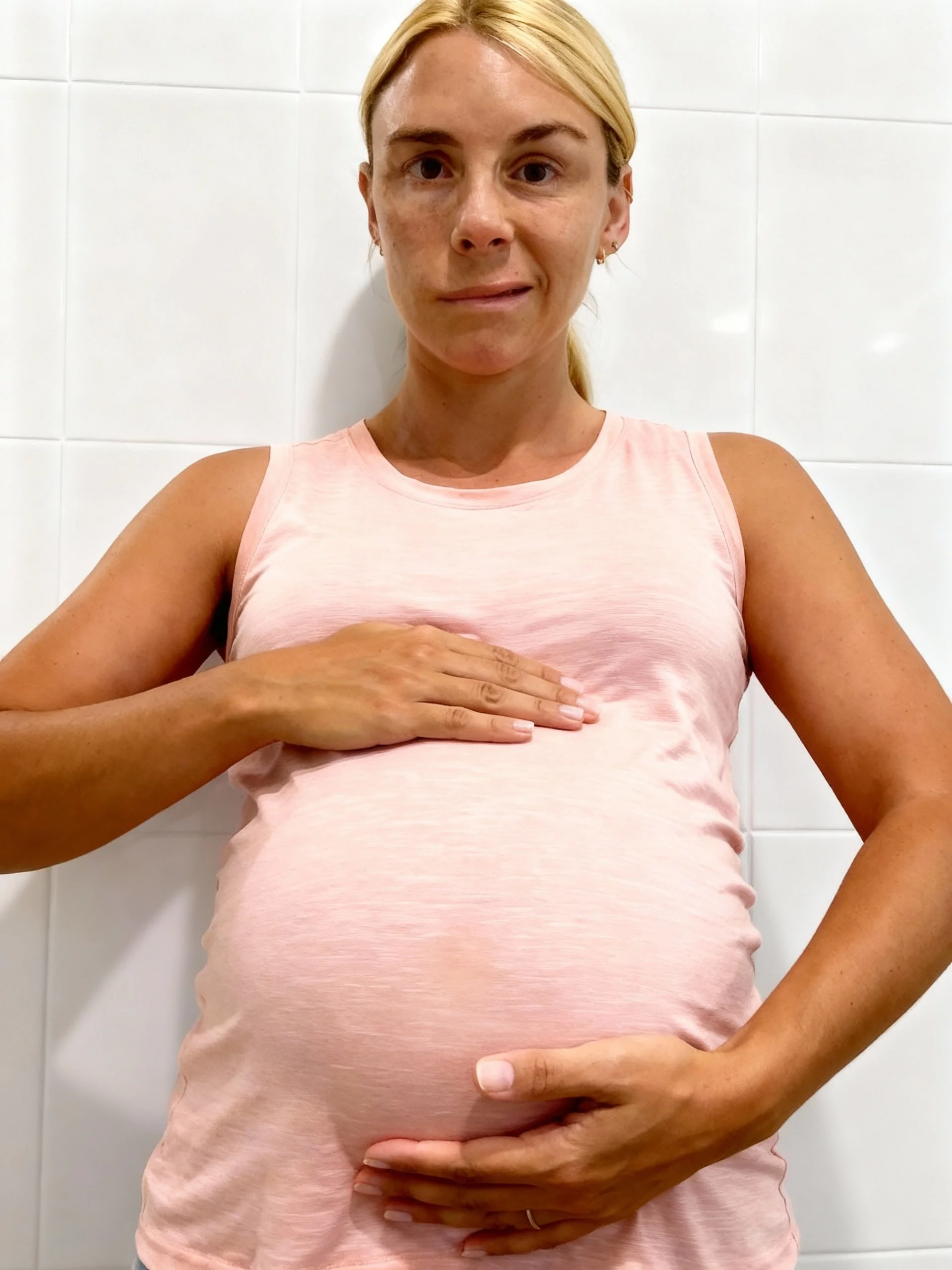
SSNHL with Facial Weakness
Case 2 – Sudden Hearing Loss with Facial Weakness (Ramsay Hunt Consideration)
“AM,” a 32-year-old pregnant woman (second trimester) with no prior ear or neurologic history, developed sudden hearing loss in her right ear, followed within hours by weakness on the same side of her face, including difficulty smiling and incomplete eye closure. She denied trauma, loud noise exposure, recent flights or diving. She had no initial ear pain, though she later noted small skin vesicles near the ear and along the face.
An audiogram demonstrated a moderate-to-severe sensorineural hearing loss in the right ear. Examination confirmed a peripheral facial nerve palsy. The combination of SSNHL and facial paralysis raised concern for viral neuritis, particularly Ramsay Hunt syndrome (herpes zoster oticus), which may present with or without obvious vesicles early on.
Because facial nerve involvement was present, she was treated promptly—after coordination with obstetrics—with systemic corticosteroids and antiviral therapy (e.g., acyclovir or valacyclovir). This is an important distinction: antivirals are recommended in facial paralysis and Ramsay Hunt syndrome, but are not part of routine treatment for isolated (“plain Jane”) idiopathic SSNHL, where evidence of benefit is lacking. Intratympanic steroids were offered to maximize inner ear treatment while minimizing systemic exposure.
Over the following days, her facial weakness stabilized and gradually improved, and her hearing partially recovered, though not fully to baseline. Her pregnancy progressed without complication.
This case highlights that facial weakness with SSNHL is a red flag, that Ramsay Hunt syndrome must be considered and treated early, and that delayed recognition can worsen both facial nerve and hearing outcomes.
-

SSNHL from Diving
Case 3 – Rapid Decompression / Rapid Ascent (Inner Ear DCS / Barotrauma Overlap)
“DB” is a healthy anesthesiologist and experienced recreational diver. During a dive, an unexpected problem forced a rapid ascent with inadequate decompression. Within minutes of surfacing and climbing onto the boat, he noticed:
Complete loss of hearing in his left ear, Intense ringing on that side and Severe vertigo and difficulty standing
Recognizing the possible combination of inner ear decompression sickness and barotrauma, he immediately called an ENT physician with diving medicine experience. The ENT strongly recommended:
Urgent transport to a hyperbaric facility for recompression with HBO
High-dose systemic and intratympanic steroids as soon as feasible
DB underwent HBO on a standard treatment table, followed by several additional sessions over the next days. Steroids were started within hours of symptom onset. Over the next 1–2 weeks, his vertigo gradually resolved and his left-ear hearing improved to about 95% of baseline on repeat audiogram.
This case highlights how immediate recognition and combined HBO + steroid therapy after a rapid decompression event can lead to near-complete recovery.
Prevention Tips
Avoid diving, flying, or hyperbaric exposure with a severe cold, sinus infection, or uncontrolled allergies.
Use gentle, frequent equalization techniques (swallowing, jaw movements, mild Valsalva) rather than forceful pressure.
Follow dive tables and computer guidance carefully; avoid rapid ascents and respect decompression stops.
Stay well-hydrated, rested, and avoid excess alcohol before and after diving.
Exposed to Loud Music or Noise? Ears Ringing and Hearing Feels Off?
If you suddenly lose hearing, get help right away — ideally within 24 hours. The sooner you act, the better your chances of recovery. Waiting even a few days can reduce the chances of success, and after two weeks, treatment may not work as well.
Think of it like a heart attack — you wouldn’t wait to help. The same urgency applies to your hearing.
Common treatments include medication or oxygen-based therapy, but they only work best when started early.
I’ve seen too many people wait weeks or months, only to find it’s too late to recover their hearing. Don’t take that risk.
Sudden hearing loss can be caused by noise, a virus, injury, or other issues. No matter the cause — quick treatment is key.